The Kennedy Half Dollar is more than just a U.S. coin — it represents American history, national mourning, and the excitement of modern numismatics. Released in 1964 following the assassination of President John F. Kennedy, it quickly became a collector's favorite and one of the most hoarded coins in U.S. history.
Millions of collectors and enthusiasts search online asking: “How much is a Kennedy Half Dollar worth?” The value depends on the year, mint mark, silver content, condition, rarity, and errors. This comprehensive A-to-Z guide covers everything you need to know about Kennedy Half Dollars, including key dates, rare proof coins, grading, storage tips, and current market trends.
History and Origins of the Kennedy Half Dollar
After the tragic assassination of President Kennedy on November 22, 1963, the U.S. Treasury received an overwhelming number of requests to honor him on American coinage. Within weeks, the decision was made to replace the Franklin Half Dollar, and the design was approved in record time.
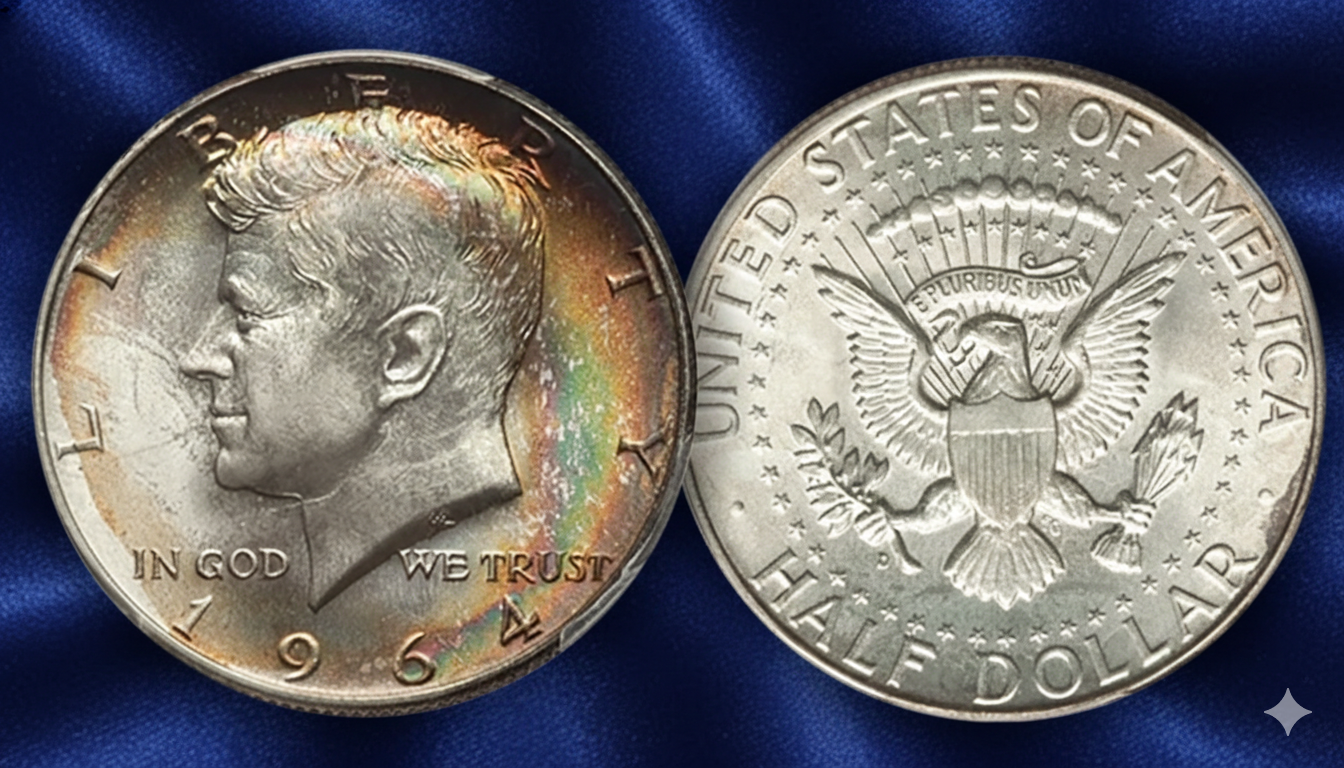
The 1964 Kennedy Half Dollar debuted early in 1964, sparking public interest and causing immediate hoarding. Collectors and the general public wanted a piece of history, and the coin quickly became a symbol of remembrance.
According to the United States Mint, the Kennedy Half Dollar remains legal tender but is primarily produced for collectors. Its limited circulation ensures that even common dates are often more valuable than face value.
Kennedy Half Dollar Design Elements and Symbolism
The obverse of the coin features a portrait of John F. Kennedy, designed by Gilroy Roberts. This dignified profile symbolizes optimism, youth, and leadership.
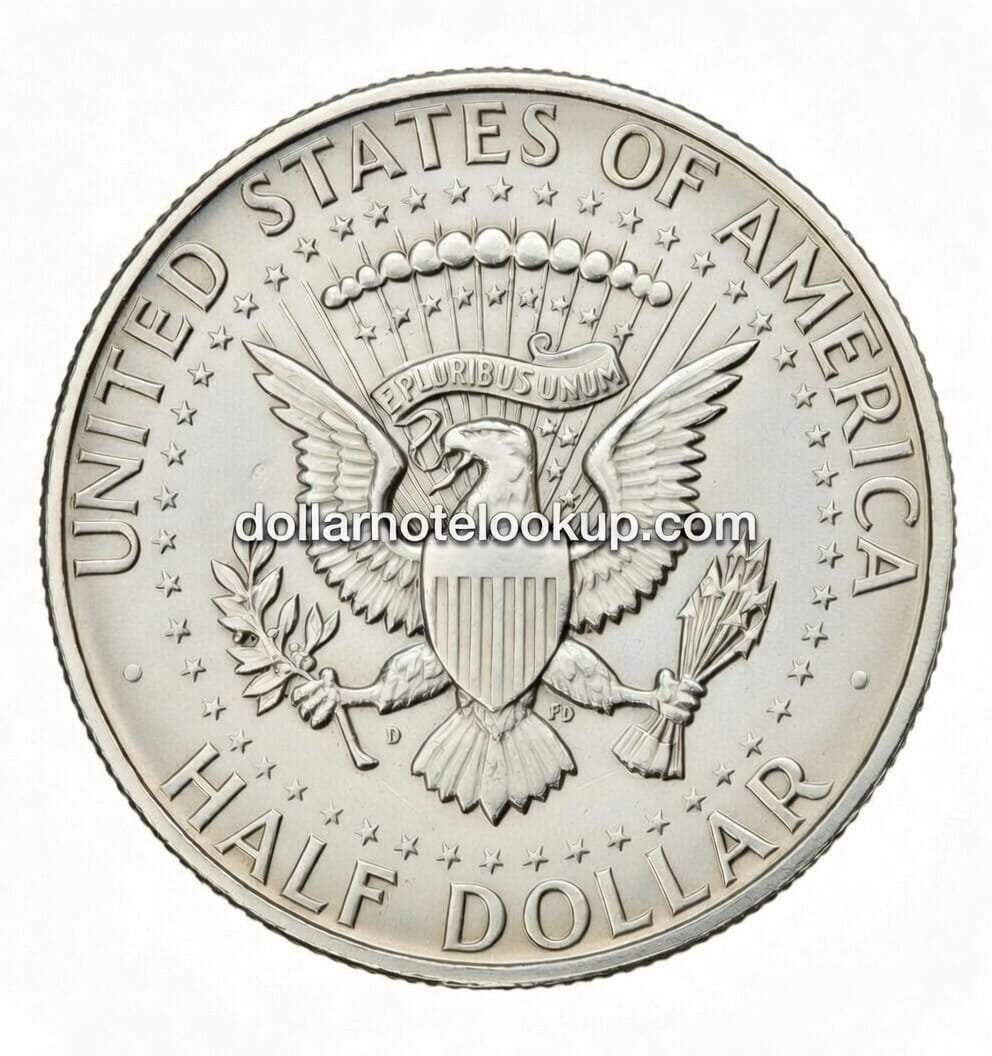
The reverse, created by Frank Gasparro, showcases the Presidential Seal — an eagle clutching an olive branch and arrows, surrounded by stars. This imagery reflects strength, peace, and authority, making the coin a national emblem of pride and heritage.
Silver Content and Its Impact on Kennedy Half Dollar Value
One of the most important factors affecting Kennedy Half Dollar value is silver content. Not all coins contain silver, and collectors pay special attention to this.
Silver Composition by Year
- 1964: 90% silver – the most sought-after common issue
- 1965–1970: 40% silver (outer layers)
- 1971–Present: Copper-nickel clad, no silver content
Even worn silver coins have intrinsic metal value. Collectors often track silver spot prices to determine melt value for these coins.
Mint Marks and Production Facilities
Kennedy Half Dollars were minted at various U.S. facilities, each producing coins with unique characteristics:
- P – Philadelphia: No mint mark before 1980
- D – Denver: Business strike coins
- S – San Francisco: Proof and special collector issues
Certain mint-and-year combinations are rarer than others, particularly limited-run proofs and special mint sets.
Proof Kennedy Half Dollar Coins and Special Mint Sets
Proof Kennedy half dollars are struck using polished dies and planchets. These are collector-only issues with mirror-like finishes.
Kennedy Half Dollar Key Varieties
Rare varieties, such as the 1964 Accented Hair Proof, 1970-D Uncirculated, and 1998-S Matte Proof, can command high premiums. Collectors seeking maximum value often hunt for these key dates.
Rare Kennedy Half Dollar List – Most Valuable Issues
- 1964 Accented Hair Proof
- 1970-D Kennedy half dollar
- 1966 Special Mint Set
- 1998-S Matte Proof
According to APMEX, top-condition examples can sell for thousands of dollars.
Mint Errors and Collector Varieties
Errors increase collector interest and often value significantly. Popular Kennedy Half Dollar errors include:
- Double die obverse
- Off-center strikes
- Clipped planchets
- Missing clad layer errors
Professional grading and authentication by services like PCGS or NGC are recommended before selling error coins.
Condition, Grading, and Preservation
Condition is critical in determining a coin's worth. Coins are graded on a 1–70 scale by PCGS, NGC, or ANACS. High-grade, uncirculated, or proof Kennedy Half Dollars are significantly more valuable than circulated ones.
Current Market Value of Kennedy Half Dollars
- 1964 90% silver: $10–$25+
- 1965–1970 40% silver: $4–$10+
- Modern circulated: $0.50
- Rare proofs and errors: $100–$5,000+
How to Buy and Sell Kennedy Half Dollars
Collectors can buy or sell Kennedy Half Dollars through:
- Local coin shops and numismatic dealers
- Online marketplaces like APMEX or eBay
- Major auction houses specializing in coins
- Private collectors or coin clubs
Storage, Preservation, and Collector Tips
To protect value:
- Store coins in protective holders or coin flips
- Avoid cleaning, as it reduces collector value
- Keep silver coins away from humidity and sulfur compounds
- Document coin details and keep records of purchase and grading
Internal Resources for U.S. Currency Collectors
If you also collect U.S. paper money, check out our Fancy Serial Number Checker to identify rare and valuable bills. For more coin-related insights, explore our Star Note Lookup Tool.
Frequently Asked Questions (FAQs)
Are Kennedy Half Dollars still produced?
Yes, primarily for collectors, and they are rarely seen in daily commerce.
Which Kennedy Half Dollars contain silver?
1964 coins contain 90% silver; 1965–1970 coins contain 40% silver.
Why are Kennedy Half Dollars rare in circulation?
Collectors hoard them due to historical significance, silver content, and rarity.
How do I determine the value of my Kennedy Half Dollar?
Consider the year, mint mark, silver content, condition, rarity, and any errors. Professional grading helps for high-value coins.