1881 Morgan Silver Dollar Value Guide (With Collector Insights)
Learn the true value of the 1881 Morgan Dollar. A collector’s guide with real insights on variations, rarity, and market prices of this classic coin
1881 Morgan Silver Dollar Value Guide
As someone who has handled and collected Morgan Dollars for years, I can tell you that the 1881 Morgan Silver Dollar is one of those coins that sparks curiosity in both beginners and seasoned collectors. At first glance, it’s just another silver dollar. But the year 1881 produced some fascinating variations — from common Philadelphia issues to the rare and highly sought-after Carson City (CC) mint coins. Let’s explore how much these coins are worth today and what makes them special.
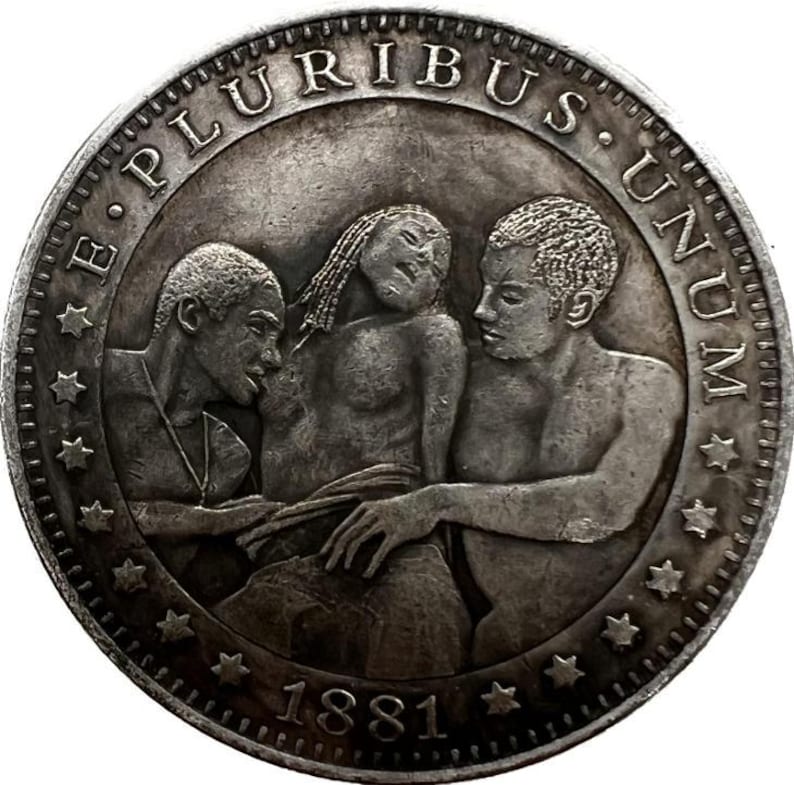
Why Collectors Care About the 1881 Morgan Dollar
The Morgan Dollar (1878–1921) is already iconic, but 1881 stands out because several U.S. Mints produced coins that year: Philadelphia (no mint mark), San Francisco (S), New Orleans (O), and Carson City (CC). For collectors like me, that means four different opportunities to chase history in one date — and each has its own story and price tag.
1881 Morgan Dollar Value by Condition
Coin values aren’t fixed; they depend heavily on condition and mint mark. Below is a ballpark guide based on recent sales I’ve seen at shows and online auctions:
| Condition | 1881 (Philadelphia) | 1881-S | 1881-CC | 1881-O |
|---|---|---|---|---|
| Good (G-4) | $35 | $40 | $300 | $40 |
| Fine (F-12) | $38 | $45 | $350 | $45 |
| Extremely Fine (EF-40) | $45 | $55 | $400 | $55 |
| Mint State (MS-60+) | $65+ | $80+ | $500+ | $80+ |
| High Grade / Prooflike | $200+ | $250+ | $1,000+ | $250+ |
Mint Variations Explained
- 1881 (Philadelphia, no mint mark): Fairly common and affordable for entry-level collectors.
- 1881-S (San Francisco): Usually comes with sharp detail — I’ve seen many in high mint state grades.
- 1881-CC (Carson City): The prize of the year. Lower mintage, harder to find, and a must-have for serious collectors.
- 1881-O (New Orleans): Sometimes weaker strikes, but still an interesting piece with its own following.
Things I Learned While Collecting
- Condition really is king: Two coins from the same mint can differ in value hundreds of dollars just because of grade.
- Carson City coins hold steady: Every show I go to, dealers and collectors swarm over the CC Morgans. They’re not cheap, but they rarely drop in demand.
- Don’t clean your coin: I’ve personally seen a $500 coin lose half its value because someone polished it shiny. Collectors want originality.
Frequently Asked Questions
1. How much is a 1881 Morgan Dollar worth today?
Most circulated coins run between $35–$80. The 1881-CC in higher grades, however, can easily pass $1,000.
2. Where do I find the mint mark?
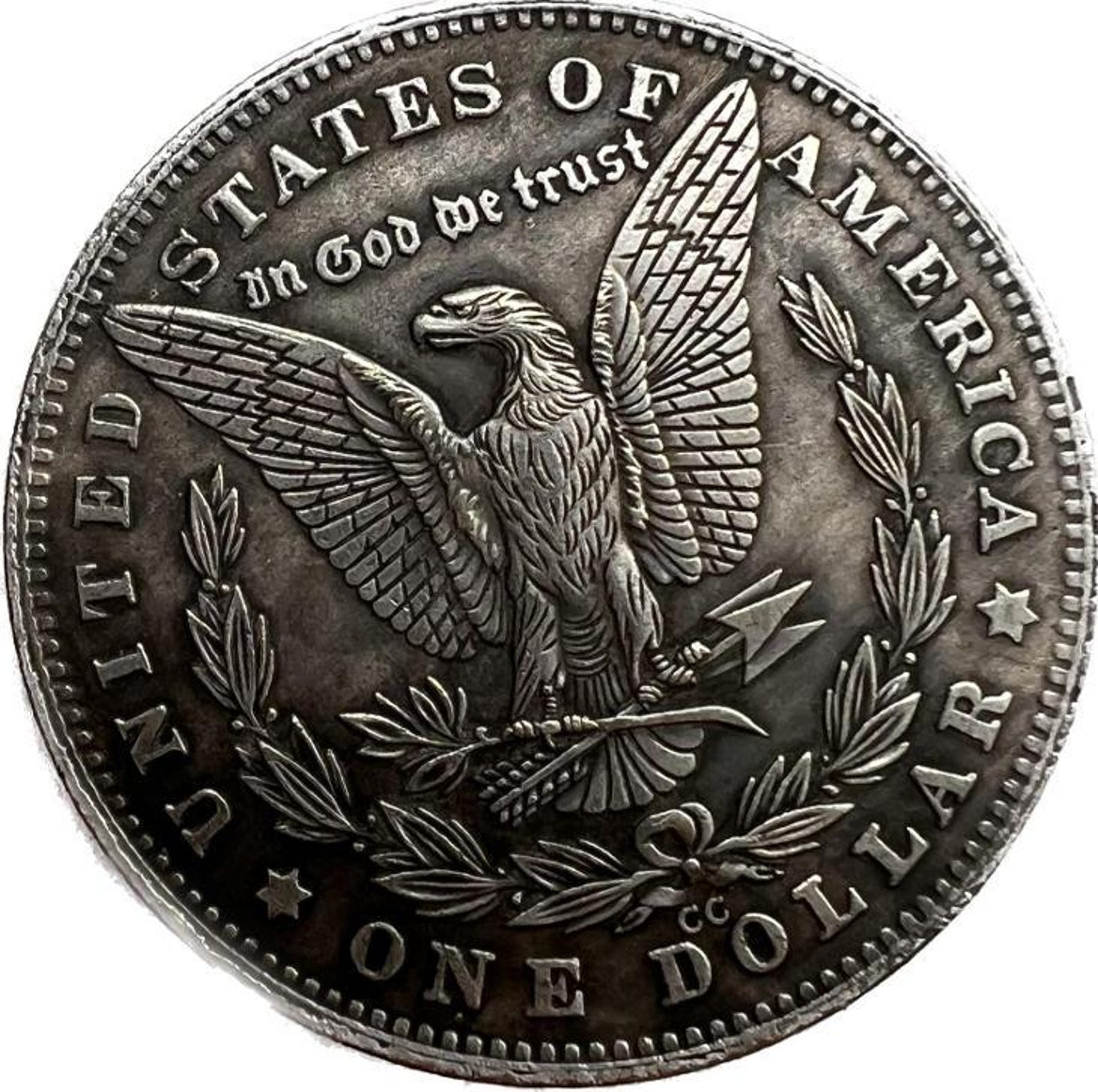
Flip the coin over. The mint mark is just below the wreath, above the “DO” in “DOLLAR.”
3. Are 1881 Morgans rare?
Not all. Philadelphia and San Francisco issues are common, but Carson City is rare and highly collectible.
4. Should I get mine graded?
Yes, if it looks better than average. Services like PCGS and NGC can authenticate and grade your coin, which adds trust and resale value.
Final Thoughts
The 1881 Morgan Silver Dollar isn’t just a chunk of silver — it’s a snapshot of American history, and every collector approaches it a little differently. Personally, I think it’s one of the best entry points into the Morgan Dollar series because you can start with a $40 piece and dream of owning a Carson City someday. If you have one, take care of it, avoid cleaning, and consider professional grading if it’s in high condition.
References
- PCGS Price Guide – Morgan Dollar (1878–1921)
- NGC Coin Explorer – 1881 Morgan Dollar
- U.S. Mint – Morgan Dollar Specifications
- CoinWorld – Numismatic News & Market Trends
About the Author
Rakesh Roy is a currency and coin enthusiast who has been studying U.S. collectible coins for several years. With a special focus on Morgan Dollars, Rakesh has researched price trends, attended coin shows, and interacted with fellow collectors worldwide. He shares his insights to help beginners understand the true value of historic coins while avoiding common mistakes like cleaning or misgrading.